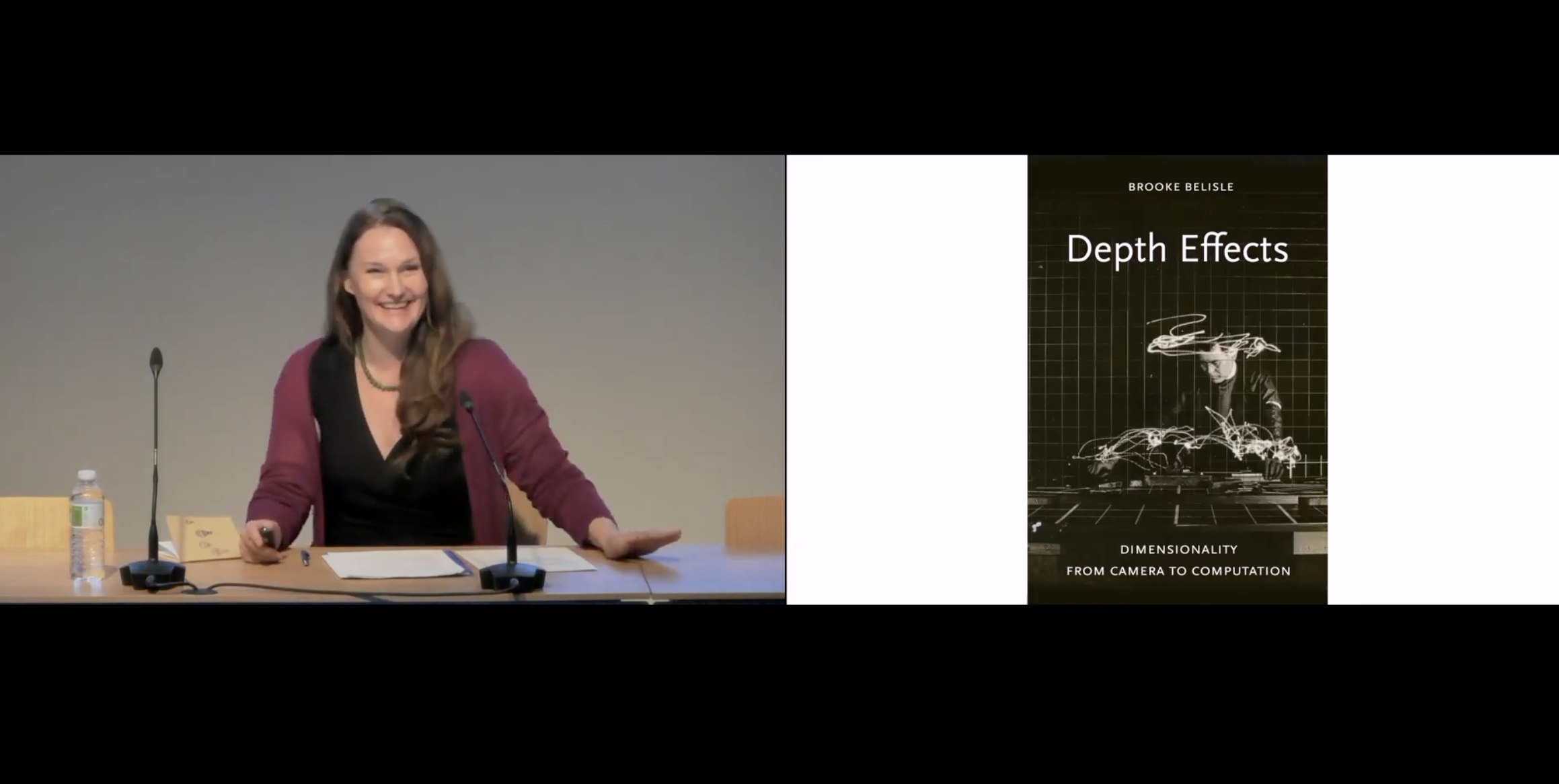
Speaker: Brooke Belisle, Associate Professor, Stony Brook University, Department of Art Institute for Advanced Computational Science
Black holes are probably the most fascinating objects in nature. Their study places us at the frontier between known and unknown physical laws—at the intersection of classical General Relativity, quantum physics, and the still-developing theory of quantum gravity. In the first part of t
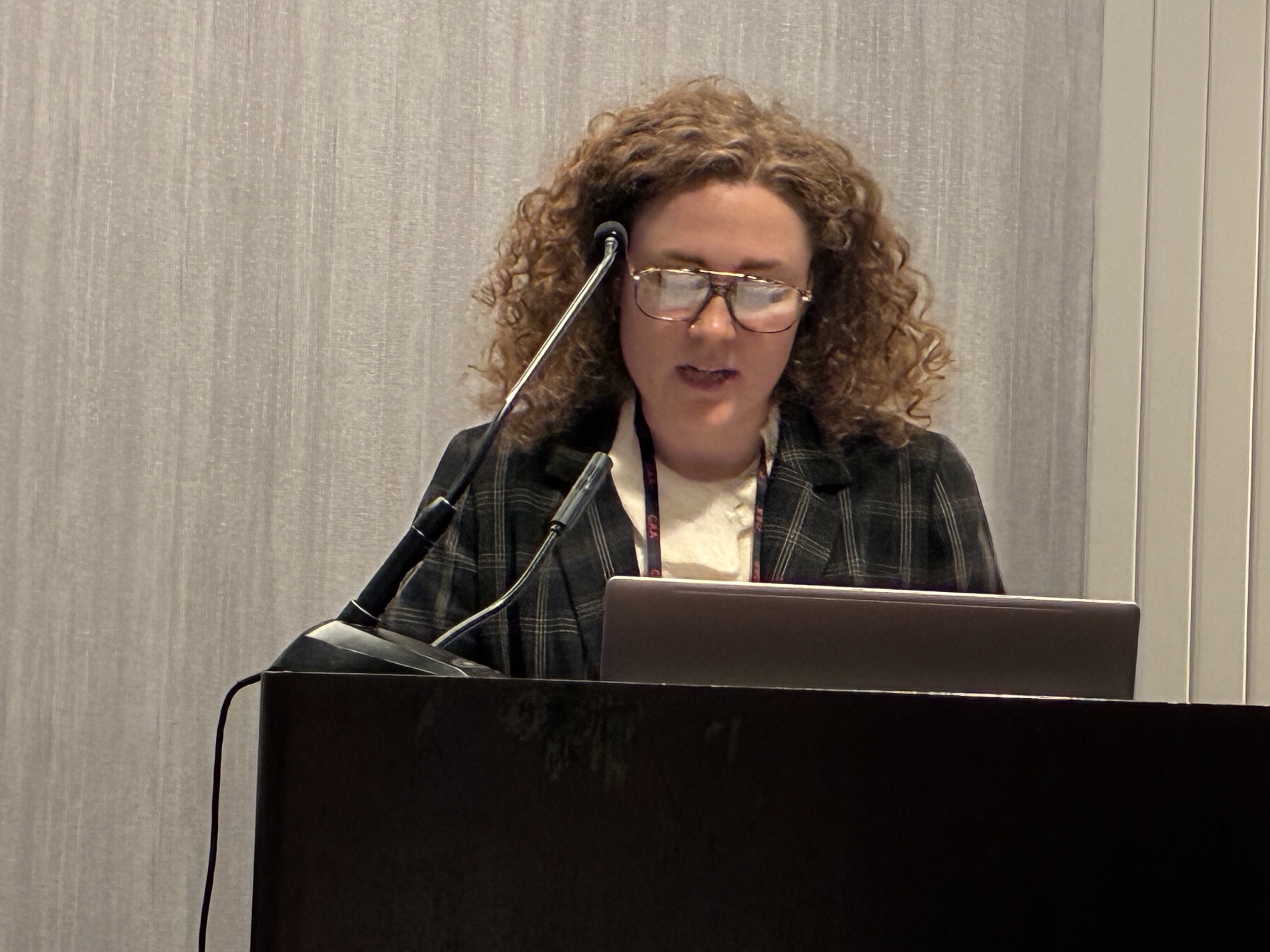
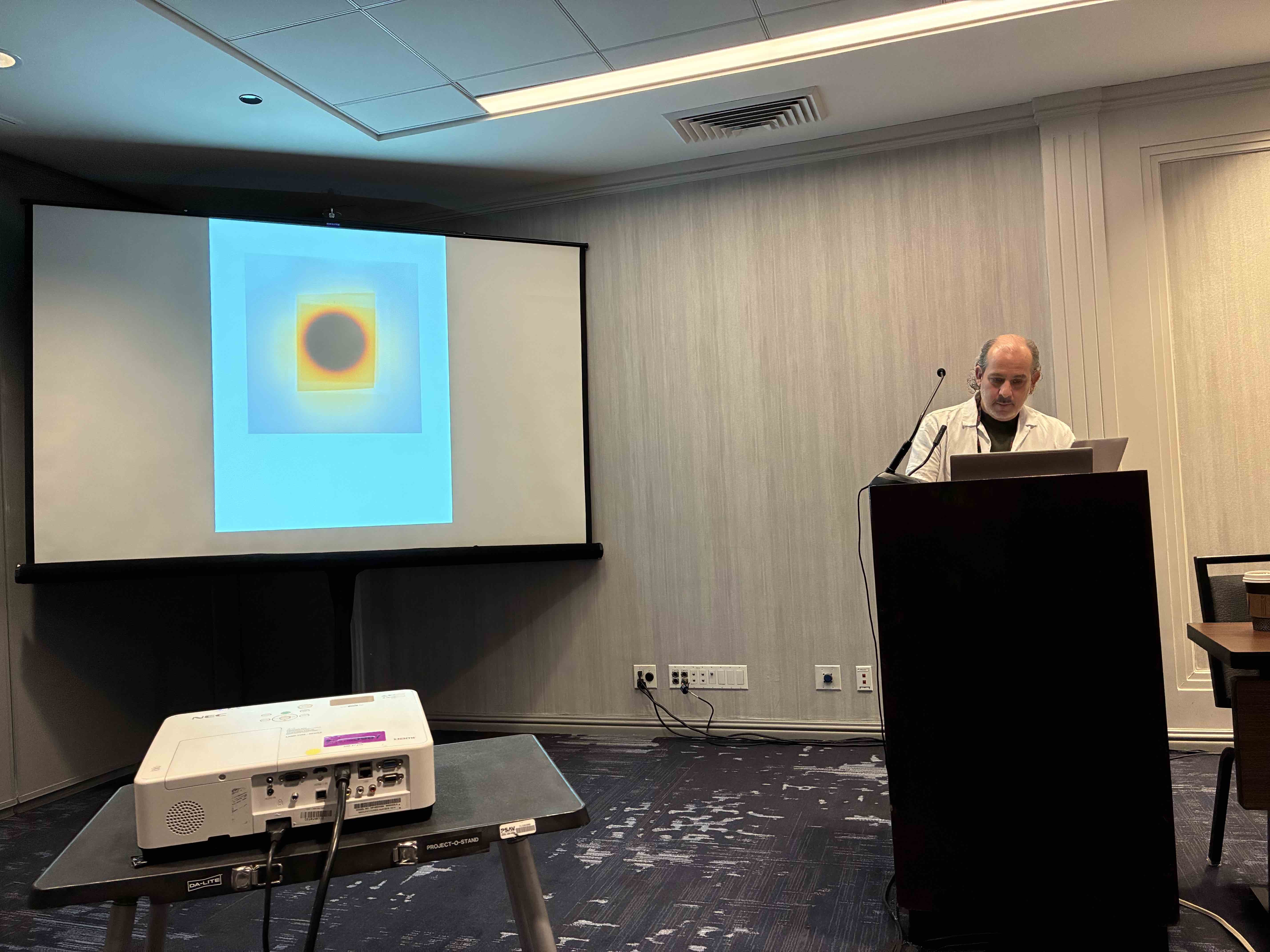
Location: CAA 114th Annual Conference, Hilton Chicago
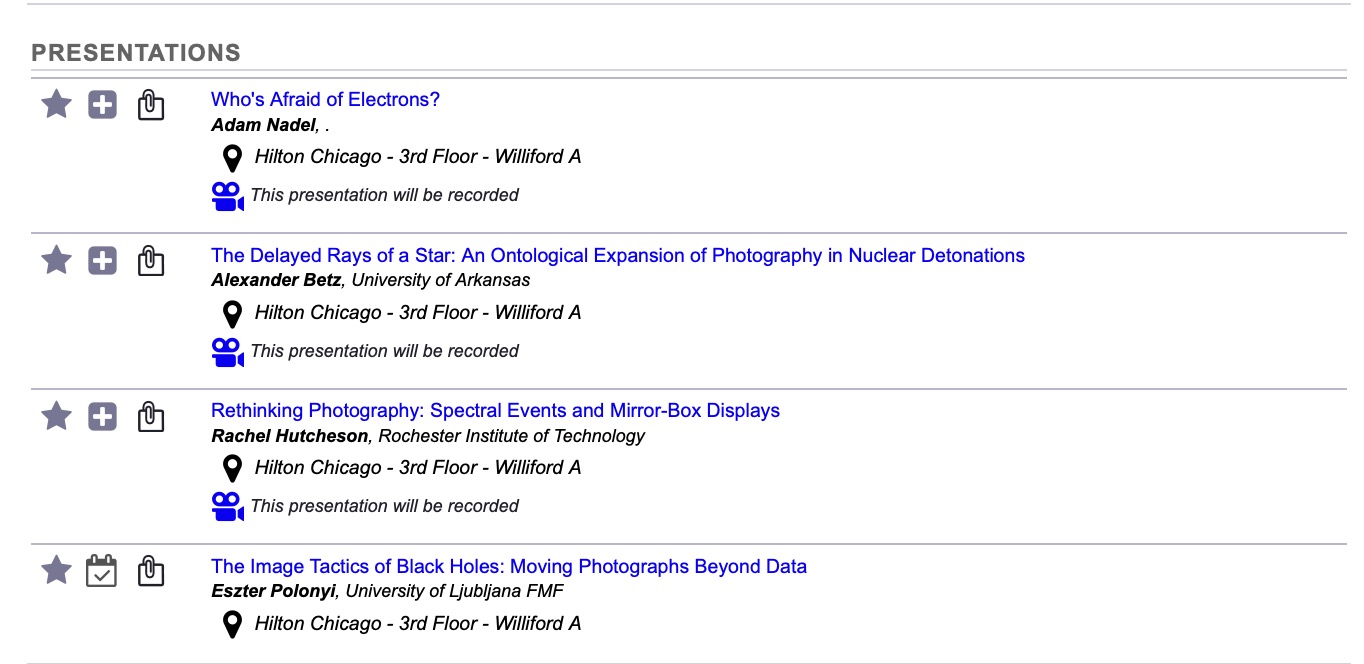
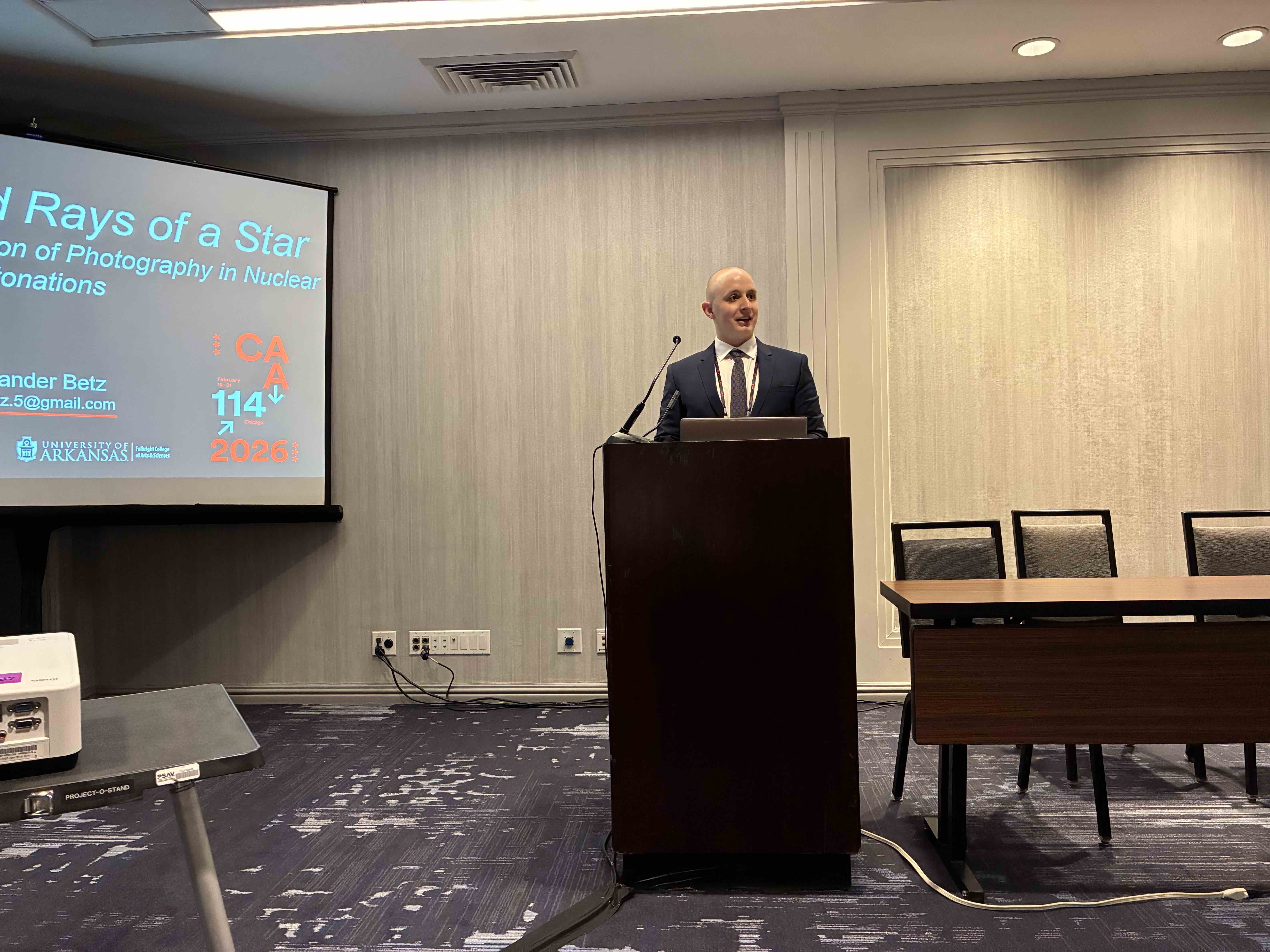
Chair: Jennifer Marine Adam Nadel: Who’s Afraid of Electrons? Alexander Betz, University of Arkansas: The Delayed Rays of a Star: An Ontological Expansion of Photography in Nuclear Detonations Rachel Hutcheson, Rochester Institute of Technology: Rethinking Photography: Spectral Events and Mirror-Box Displays Eszter Polonyi, University of Ljubljana; University of the Arts Linz: The Image Tactics of Black Holes: Moving Photographs Beyond Data
In 2019 newspapers excitedly reported that astronomers had finally “photographed” the black hole M87*. This famous image does not fit our usual definitions of photography as it used complex computer algorithms to fashion an image from collected data. Why and how is this image described as a “photograph?” This panel looks to examine objects that are named, described, titled, situated, or conventionally understood as “photographs” despite not using a camera, not recording light waves, or using other mechanical or digital methods to produce an image. Rather than being a novel phenomenon or problem, artists and scientists have struggled to define and name photography since the inception of the medium. From nineteenth-century photomechanical processes and photo-sculptures to AI image-making and astronomical visualizations, such objects are often subsumed into the category of “photography.”
Investigating photography from this set of examples, this panel asks: What kind of objects/processes have been called a photograph? Which features and technologies are used to define the medium? How can they reimagine the medium’s history and future? Contributions might explore the reception of objects as “photographs,” the aestheticization or mediation of alternative “photographic” methods, the use of photographic processes in science, or the circulation and transmission of photographs through other media. This panel seeks to bring together papers across geographies and time periods and encourages presentations that engage with interdisciplinary perspectives including scholars working on the definitions, devices, and debates surrounding photographic methods from the nineteenth century to the contemporary.
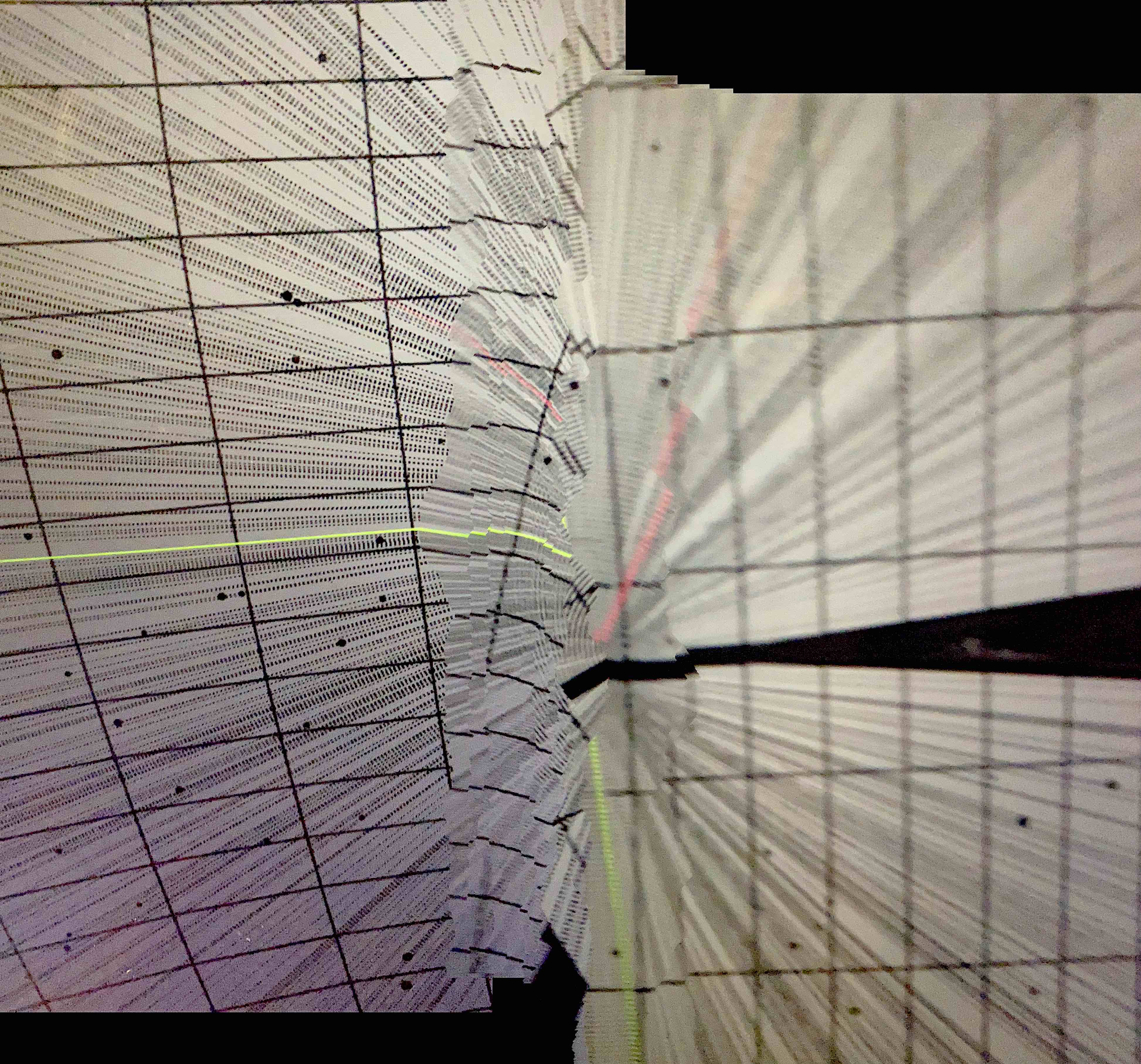
Abstract: By most counts, the image published by the Event Horizon Telescope of a black hole is not a photograph. Part of what has made black holes undiscoverable, beyond their being at twenty-six thousand light years from Earth is that they are understood to swallow rather than emanate light, with patterns in light’s absence making them discoverable. What makes the black hole photograph an image at all might be an equally pressing question, given that the volume of data transmission their observation requires, currently assessed at sixty-four gigabits per second at speeds that exceed earlier interferometric systems ninety-thousand-fold. The black hole photo is not just of a theoretically hyperbolic object, it also is a supermassive entity itself—of data. Drawing on the so-called Beckenstein entropy bound on information, according to which the maximum amount of data that can be put in a volume is framed in terms of a black hole, this paper considers black holes as expanding the imaginary of data to off-world frontiers in response to a crisis in both the perceived sustainability of data and its intelligibility to human perception. It looks at work by artists seeking to subvert data-saturated systems by targeting their inner propensities toward forgetting, rot, and decay, such as Hito Steyerl’s notion of impoverished images, Linda Dounia Rebeiz’s synthesis of non-existent memories, and Mimi Ọnụọha’s filling of “blank [sic] holes” with missing data. Black holes are thus presented as both hyperbolic and tactical in image theory.
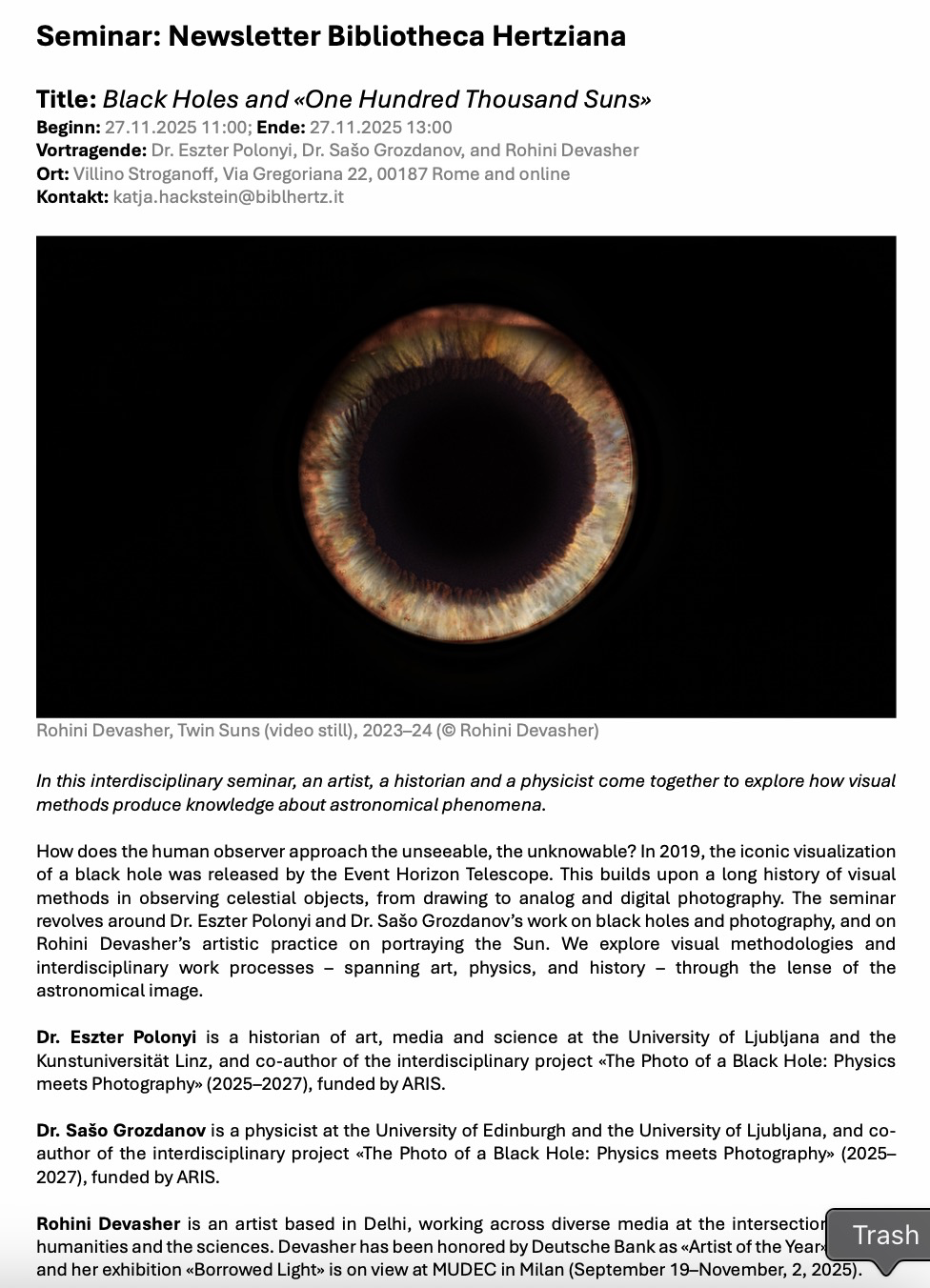
Date: Nov. 27, 2025, Villino Stroganoff, Via Gregoriana 22, 00187 Rome and online
Location: Bibliotheca Hertziana, Max Planck Institute for Art History, Rome
Speakers: Dr. Eszter Polonyi, Dr. Sašo Grozdanov, and Rohini Devasher
In this interdisciplinary seminar, an artist, a historian and a physicist come together to explore how visual methods produce knowledge about astronomical phenomena. How does the human observer approach the unseeable, the unknowable? In 2019, the iconic visualization of a black hole was released by the Event Horizon Telescope. This builds upon a long history of visual methods in observing celestial objects, from drawing to analog and digital photography. The seminar revolves around Dr. Eszter Polonyi and Dr. Sašo Grozdanov’s work on black holes and photography, and on Rohini Devasher’s artistic practice on portraying the Sun. We explore visual methodologies and interdisciplinary work processes – spanning art, physics, and history – through the lense of the astronomical image.
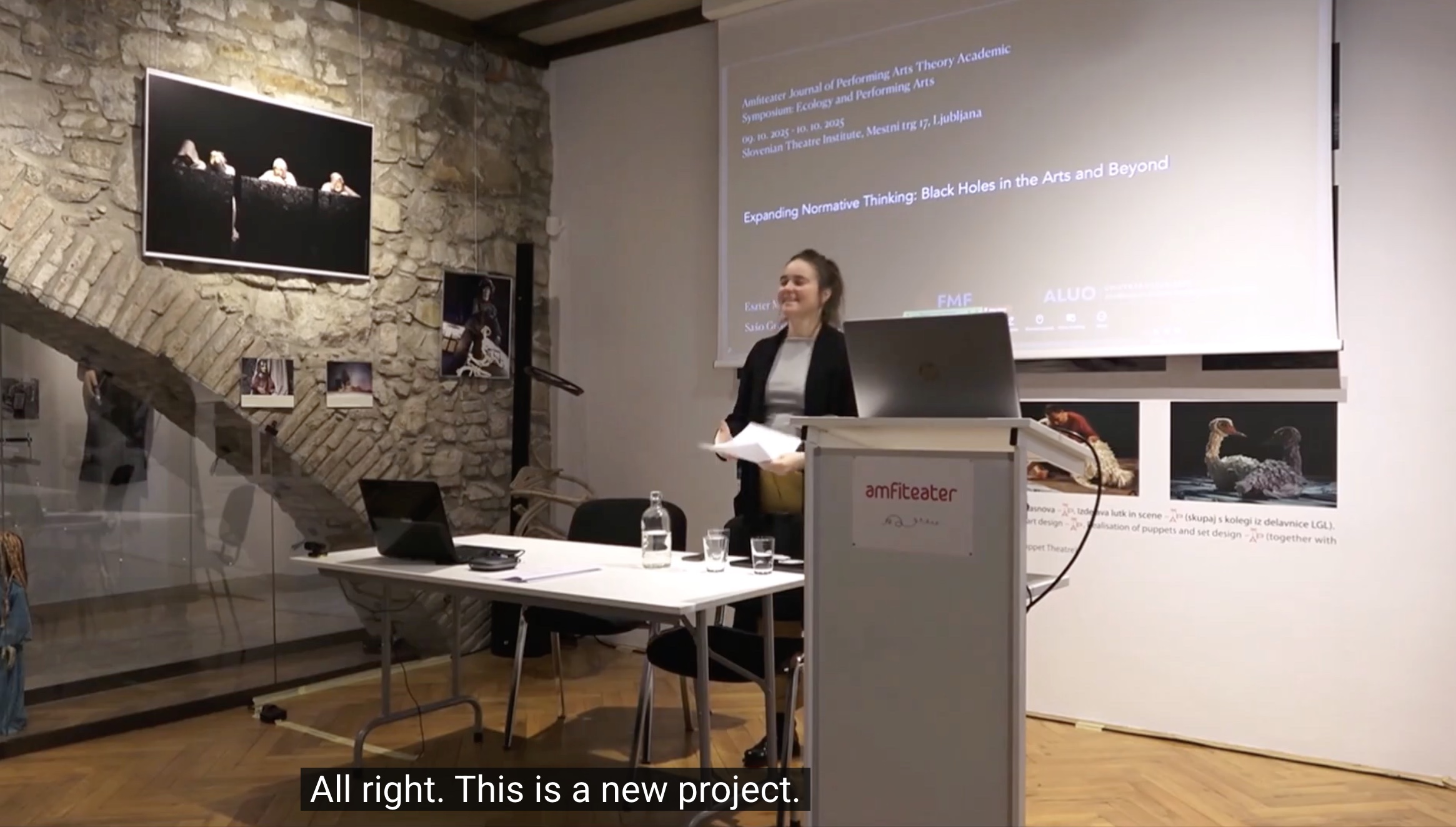
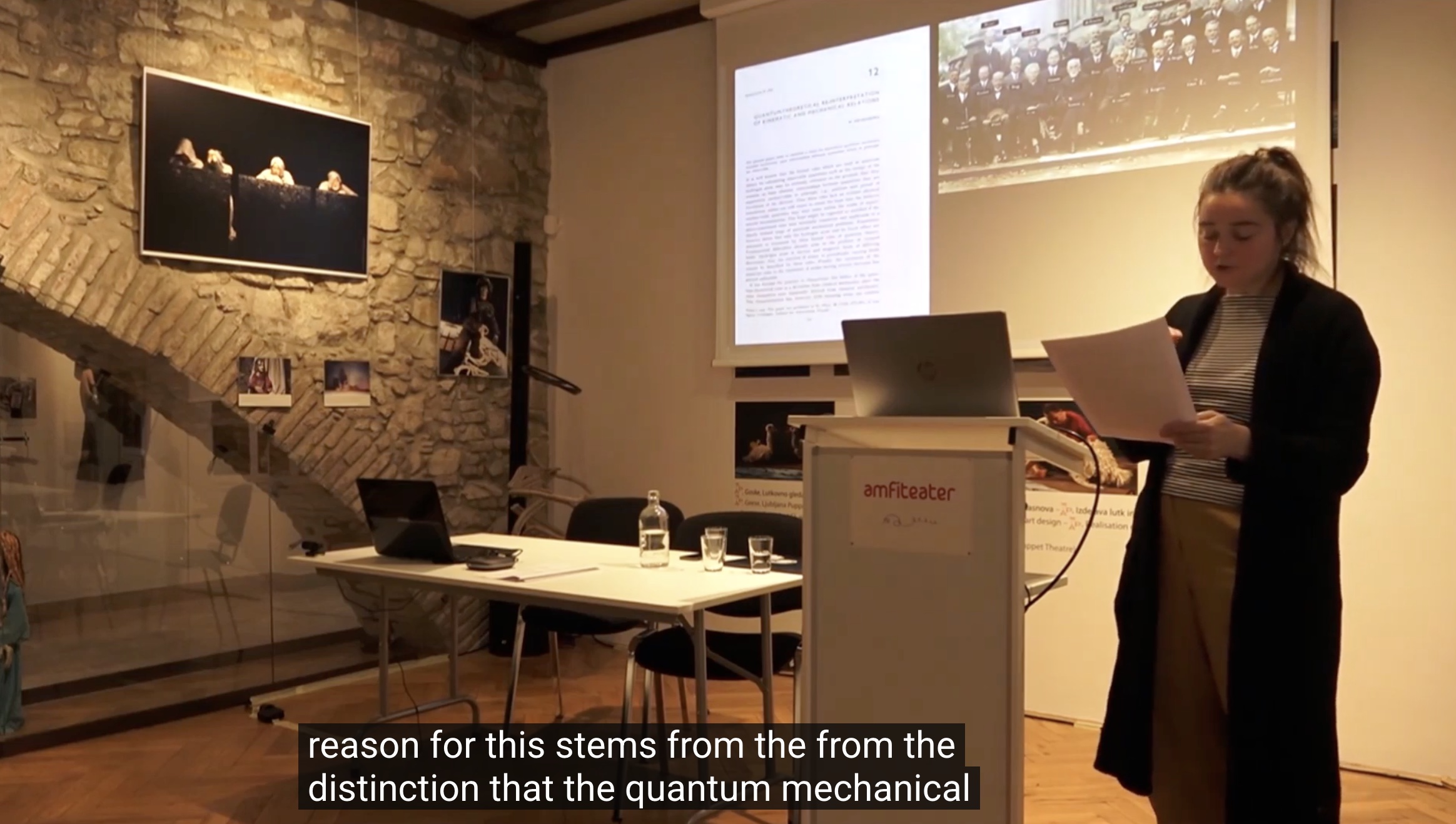
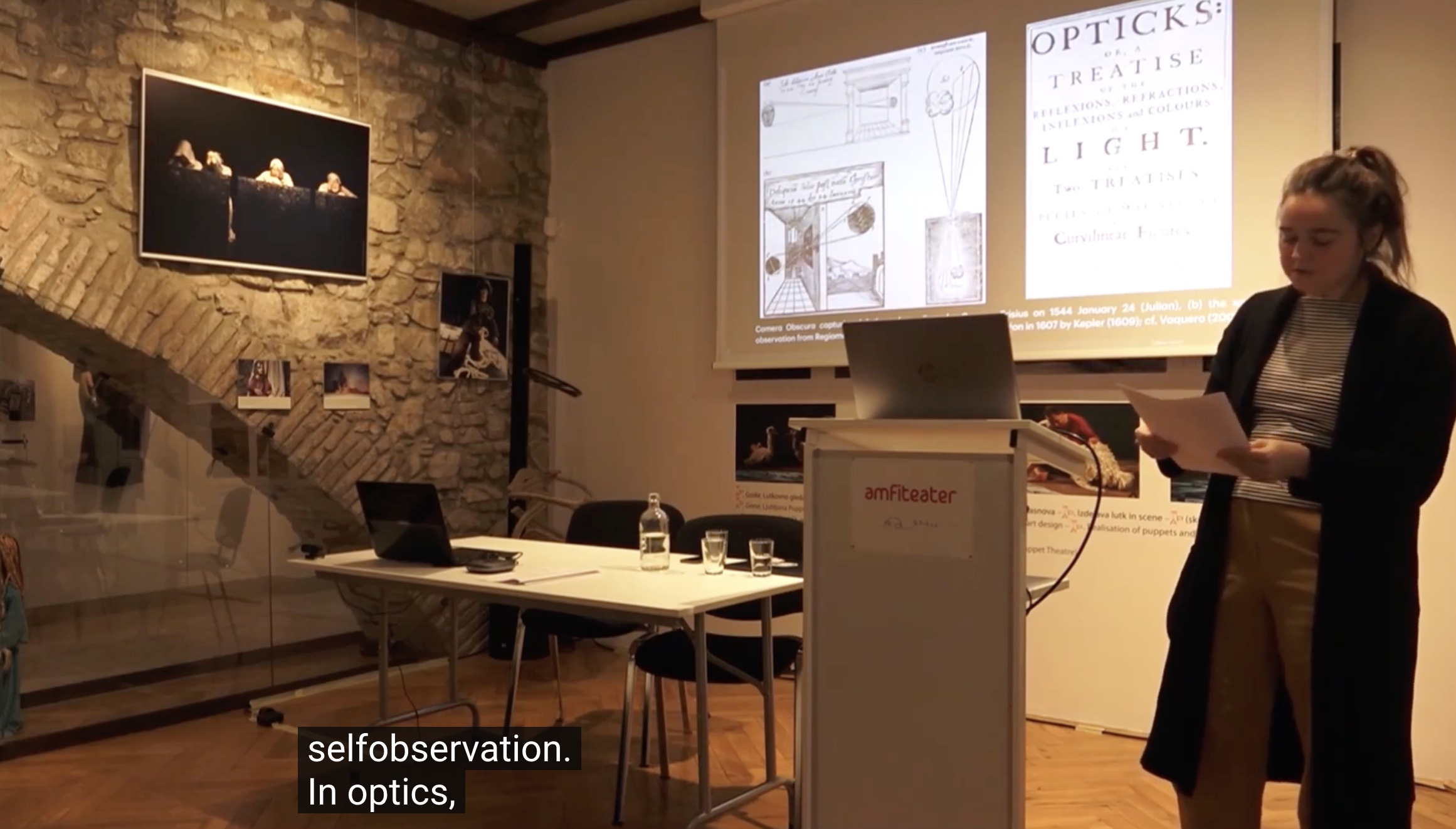
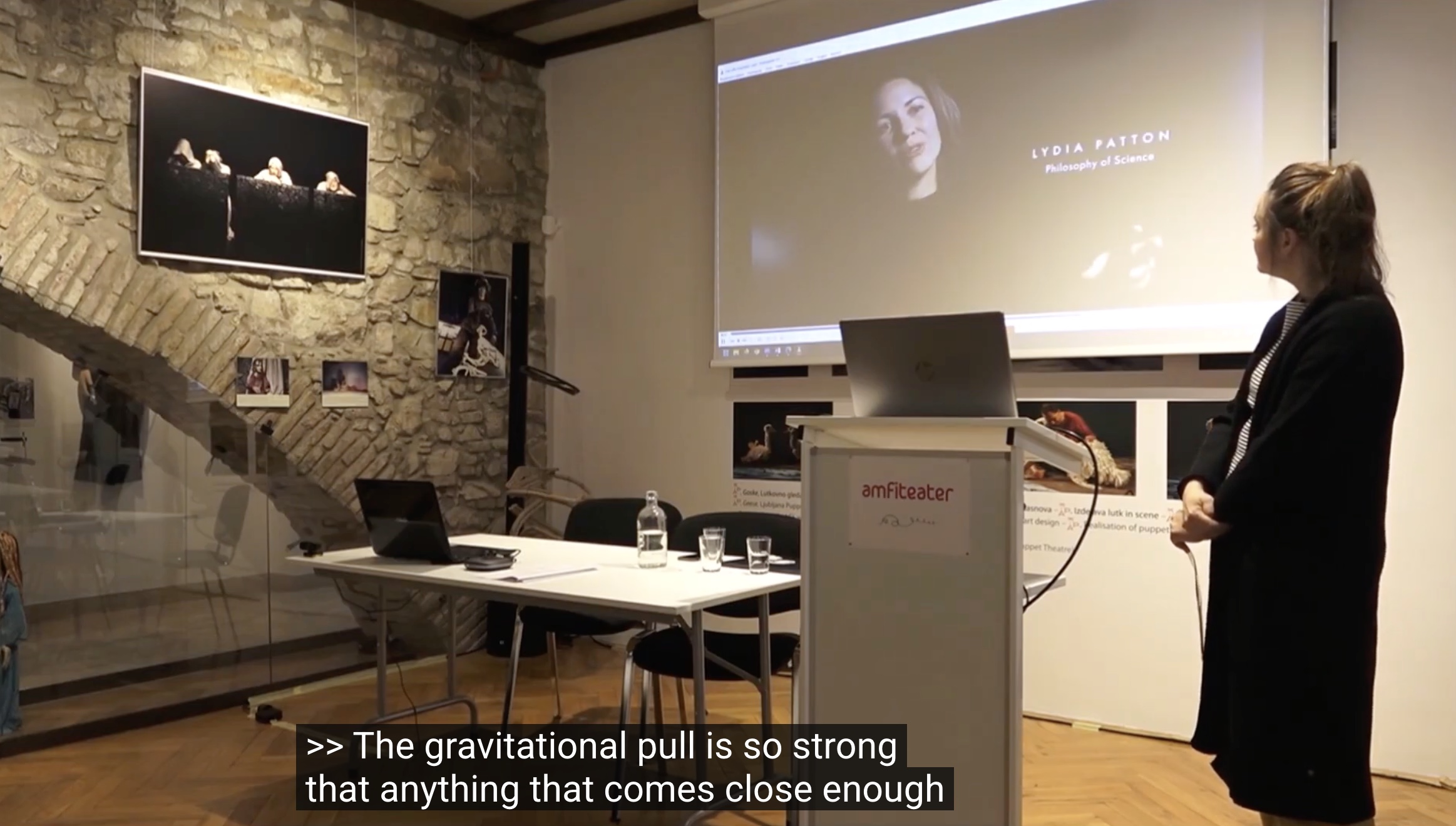
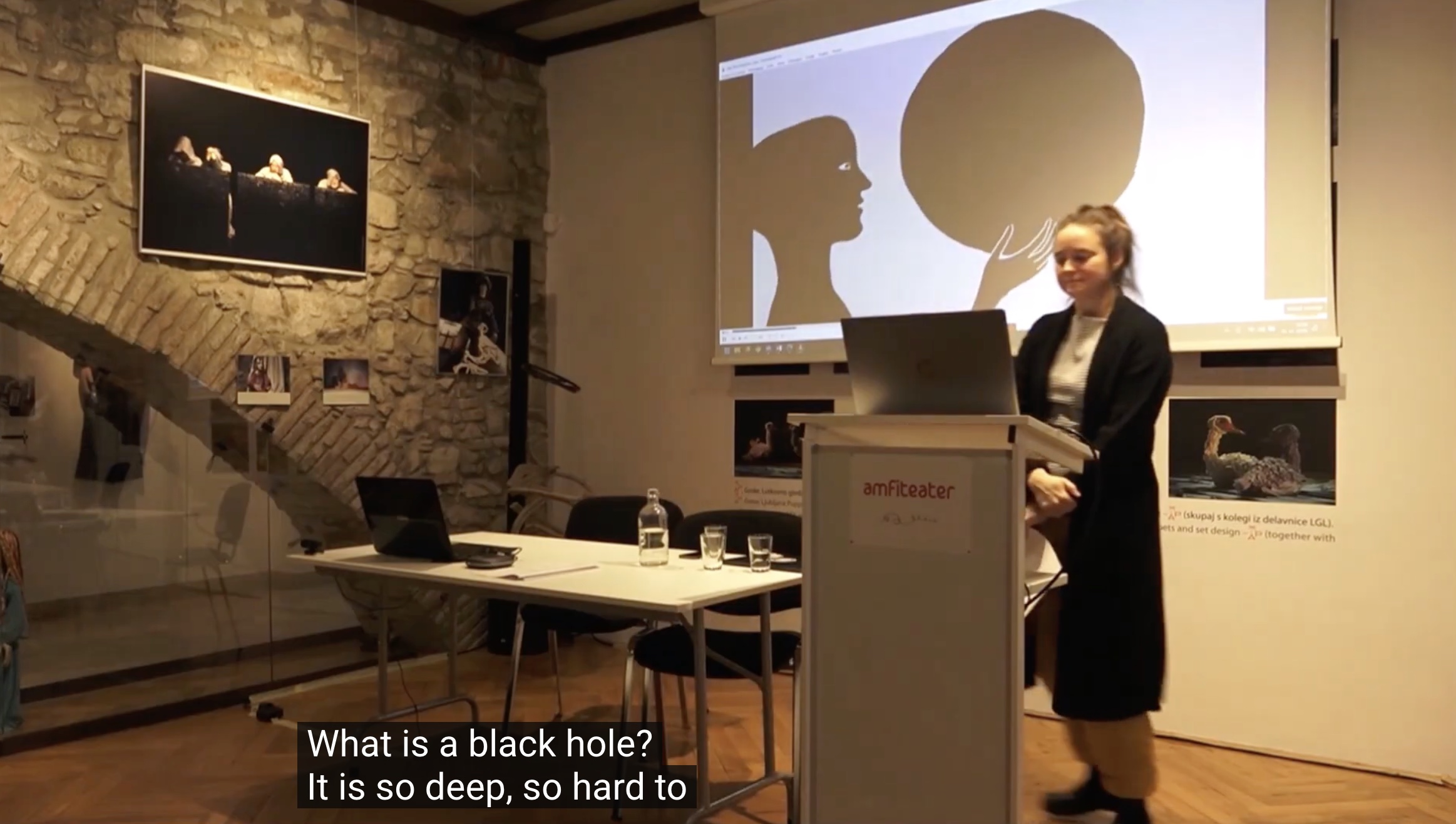
Location: Amfiteater Journal of Performing Arts Theory, Slovenian Theatre Institute, Ljubljana, Slovenia
Speakers: Asist. dr. Eszter Polonyi and Assoc. Prof. Dr. Sašo Grozdanov
Short abstract: This talk examines how artists, scientists and critical thinkers have sought to radically unsettle normative conceptions of the self and the environment by engaging with the physics of black holes. The talk presents work being done on an interdisciplinary ARIS project being carried out at the Physics and Mathematics Faculty (FMF) and the Academy of Arts (ALUO) at the University of Ljubljana.
Polonyi Eszter, Slovenian Theatre Institute Ljubljana October 9-10, 2025
Polonyi Eszter, Slovenian Theatre Institute Ljubljana October 9-10, 2025Polonyi Eszter, Slovenian Theatre Institute Ljubljana October 9-10, 2025
Polonyi Eszter, Slovenian Theatre Institute Ljubljana October 9-10, 2025
Polonyi Eszter, Slovenian Theatre Institute Ljubljana October 9-10, 2025Polonyi Eszter, Slovenian Theatre Institute Ljubljana October 9-10, 2025
Polonyi Eszter, Symposium: Ecology and Performing Arts, Amfiteater Journal of Performing Arts Theory, Slovenian Theatre Institute Ljubljana October 9-10, 2025
Manage Consent
To provide the best experiences, we use technologies like cookies to store and/or access device information. Consenting to these technologies will allow us to process data such as browsing behavior or unique IDs on this site. Not consenting or withdrawing consent, may adversely affect certain features and functions.
Functional
Always active
The technical storage or access is strictly necessary for the legitimate purpose of enabling the use of a specific service explicitly requested by the subscriber or user, or for the sole purpose of carrying out the transmission of a communication over an electronic communications network.
Preferences
The technical storage or access is necessary for the legitimate purpose of storing preferences that are not requested by the subscriber or user.
Statistics
The technical storage or access that is used exclusively for statistical purposes.The technical storage or access that is used exclusively for anonymous statistical purposes. Without a subpoena, voluntary compliance on the part of your Internet Service Provider, or additional records from a third party, information stored or retrieved for this purpose alone cannot usually be used to identify you.
Marketing
The technical storage or access is required to create user profiles to send advertising, or to track the user on a website or across several websites for similar marketing purposes.